
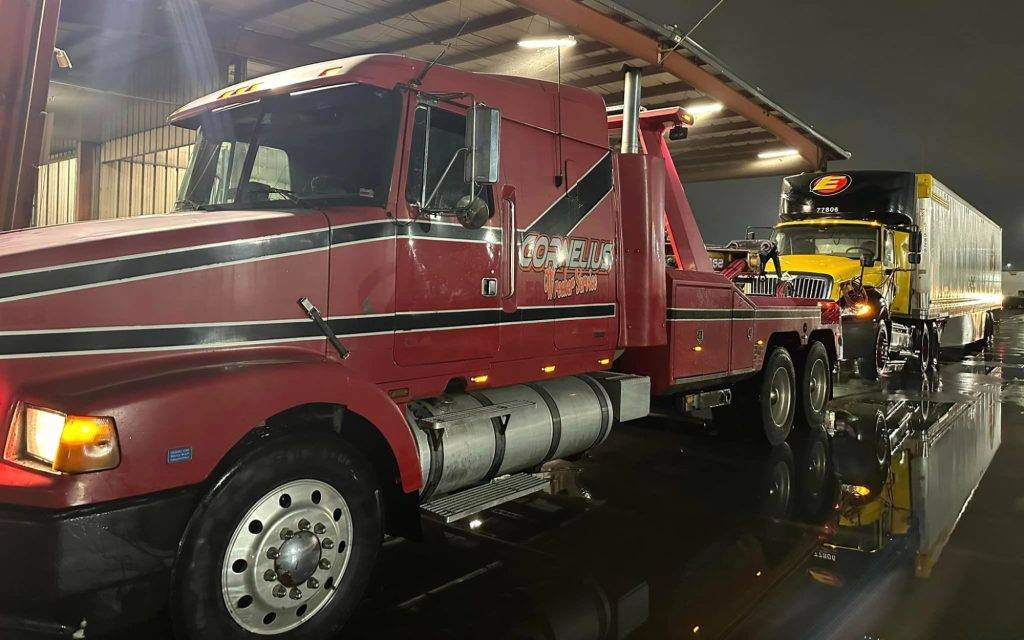
A heavy duty RV and bus towing operation involves site securing, air system hookups, drive axle disconnections, and specialized under-reach rigging. Operators use high-capacity wreckers equipped with heavy winches to move multi-ton vehicles safely without causing structural damage. Specialized equipment keeps stranded motorhomes, tour buses, and commercial rigs stable during transport across Missouri.
How Do Operators Secure a Heavy Vehicle Breakdown Site?
Operators secure a heavy vehicle breakdown site by positioning their wrecker to shield the disabled rig from moving traffic. They set up safety cones, activate high-visibility warning lights, and assess the road surface to establish a safe work zone.
Roadside emergencies on high-speed corridors like Interstate 29 present immediate dangers to drivers and passing traffic. Heavy towing teams park massive wrecker trucks at calculated angles to block approaching vehicles from entering the active workspace. This physical barrier protects both the stranded driver and the recovery crew during setup.
The recovery team evaluates ground firmness before extending outriggers. Soft shoulders or uneven dirt surfaces can cause heavy machinery to tilt during a lift. Specialists place wide timber blocks under the outrigger pads to spread the weight evenly across the ground.
Traffic control remains an active priority throughout the entire setup process. Operators place reflective markers far behind the breakdown point to give approaching motorists early warning. Clear sightlines and strong illumination turn busy highway shoulders into stable working zones.
What Mechanical Steps Prepare a Large RV or Bus for Transport?
Preparing a large RV or bus for transport requires disconnecting the drive shaft, releasing spring brakes, and supplying air to the braking system. These mechanical steps prevent severe drivetrain damage and keep the towed vehicle stopping smoothly behind the wrecker.
Large motorhomes and commercial buses use automatic transmissions that depend on a running engine for internal fluid circulation. Towing a vehicle with its drive wheels on the road while the engine is off destroys internal gears within minutes. Technicians crawl beneath the vehicle to unbolt the drive shaft or remove axle shafts from the rear differential housing to isolate the transmission.
Auxiliary air lines must connect directly from the wrecker to the disabled rig’s air tanks. This air supply releases the automatic spring brakes and allows the tow operator to control the towed vehicle’s brakes directly. Proper pressure keeps the rear wheels turning freely and prevents dangerous brake lockups on the highway.
Checking wheel clearance forms the final step of physical preparation. Operators inspect steering components, mud flaps, and ground clearance before making any sudden turns. Thorough prep work prevents costly mechanical repairs after the vehicle reaches the repair facility.
How Does Under-Reach Equipment Prevent Body Damage?
Under-reach equipment prevents body damage by lifting the vehicle directly by its frame or axle beams rather than its outer body. Heavy metal arms slide beneath the front bumper to secure structural support points without touching low-hanging fiberglass.
Modern RVs and luxury buses feature low-clearance front ends, decorative trim, and delicate body panels. Traditional tow straps or older sling methods would crush these weak structures under heavy loads. Modern heavy wreckers use long under-reach booms that extend under the chassis to grab sturdy support zones.
Specialized metal adapters, known as axle forks, fit around the front axle or heavy suspension arms. These steel attachments lock the vehicle firmly to the wrecker’s main lift arm. The lifting force stays concentrated entirely on heavy components designed to bear extreme weight.
Operators also install heavy safety chains as secondary backup supports. These chains attach securely to structural frame rails without putting tension on fragile steering links or body shells. The towed vehicle rests on its own structural support points during the whole trip.
What Role Do Winches and Kinetic Ropes Play in Off-Road Recovery?
Winches and kinetic recovery ropes supply controlled pulling power to pull heavy vehicles out of deep mud, ditches, or steep slopes. Heavy-duty winches use high-strength steel cables to drag stuck rigs back onto pavement without snapping.
Sliding off a narrow road shoulder places extreme stress on motorhome frames. Heavy recovery vehicles carry dual industrial winches capable of pulling tens of thousands of pounds. Operators extend heavy steel cables and route them through snatch blocks to double their mechanical leverage.
Kinetic recovery ropes offer flexible pulling action for vehicles stuck in soft terrain. These strong nylon ropes stretch slightly under load to absorb heavy shock forces. This controlled bounce reduces violent jerking, which protects light aluminum components and structural seams on large coaches.
Crews place heavy rubber dampening blankets over active winch lines during high-tension pulls. If a cable or shackle breaks under load, the blanket drops the line straight down to the ground. This simple safety step keeps workers safe and prevents severe equipment damage.
How Do Towing Crews Maintain Stability on the Highway?
Towing crews maintain highway stability by matching weight distribution, using heavy safety chains, and monitoring sway angles continuously. Proper weight balance prevents dangerous tail-wagging movements when traveling at highway speeds.
A fully loaded tour bus or diesel pusher motorhome can weigh over 40,000 pounds. Towing these massive loads requires a heavy wrecker with sufficient mass to control the trailing weight. Wrecker operators adjust the main boom position to shift weight onto their own front steering axles, keeping their control responsive.
Auxiliary lighting systems plug into the back of the towed coach to signal turns and stops to trailing motorists. Wireless light bars attach securely to the rear bumper, displaying brake lights synchronously with the wrecker’s pedals. Visible taillights give surrounding traffic clear signals during night operations.
Drivers adjust their travel routes to avoid tight turns, low bridges, and steep incline shifts. Wide turns keep the towed coach centered within lane boundaries. Continuous mirror checks verify that the trailing vehicle tracks straight without swaying off-center.
What Precautions Are Taken for Custom Class A Motorhomes?
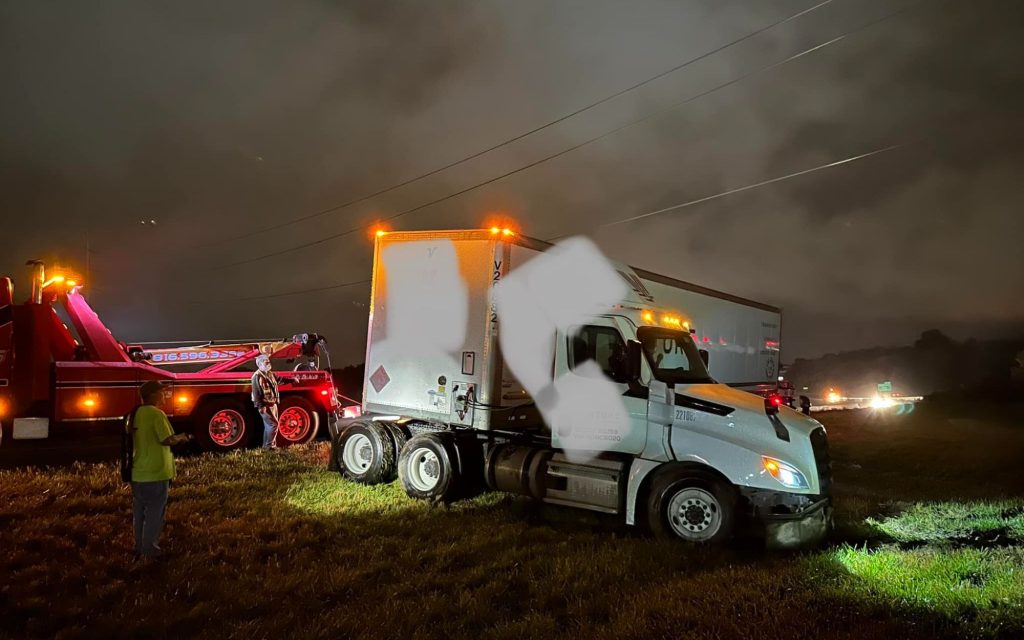
Operators take extra precautions for Class A motorhomes by managing wide turning radiuses, checking low roof heights, and protecting rear-mounted engines. High roofs and extended rear overhangs demand careful handling throughout transport.
Class A coaches often feature long rear overhangs behind the back wheels. Raising the front axle lowers the back bumper closer to the asphalt. Operators calculate this pivot angle carefully so the rear fiberglass fascia never scrapes against the road surface when driving over bumps or bridge ramps.
Height checks are vital before driving under overpasses or gas station canopies. Motorhomes with rooftop air conditioners can exceed 13 feet in height. Lifting the front axle adds extra inches to overall vehicle height, requiring operators to pick routes free of low bridges.
Slide-outs and hydraulic leveling jacks need manual locks before transport begins. Air pressure drops during long stops can cause unbolted components to drift outward. Fastening internal mechanisms keeps interior rooms locked in place during transport.
FAQ
Why can’t a standard tow truck haul a large bus or RV?
Standard tow trucks lack the heavy lifting capacity, extended boom reach, and frame-lifting attachments needed for multi-ton vehicles. Attempting to lift a heavy bus with light equipment damages bumper assemblies and overloads the tow vehicle.
Do I need to stay inside my RV while it is being towed?
No passenger may legally stay inside an RV or bus while it is attached to a moving wrecker. Passengers must ride inside the tow truck cab or arrange separate transportation for personal safety.
How do tow operators release stuck air brakes on a disabled coach?
Operators use a manual method called caging the brakes if the air system fails completely. They turn a specialized steel bolt on the back of each brake chamber to compress the internal spring and free the brake shoes.
Will heavy towing damage my vehicle’s air suspension system?
Proper heavy towing techniques protect air suspension components from stress damage. Operators dump the air bags or lock suspension arms in place to prevent air lines from stretching while the vehicle rides on the under-reach lift.
Need Heavy Duty Towing Support?
Cornelius Heavy Wrecker provides fast recovery services for large rigs, buses, and commercial vehicles. Our team brings heavy equipment to handle tough highway breakdowns across the region. Contact us at (816) 596-9176 for immediate towing help.
